

Introduction
Hip pain is a common complaint with many possible causes, but one often overlooked source is iliopsoas bursitis . This condition develops when the iliopsoas bursa, a small fluid-filled sac that cushions the iliopsoas muscle as it moves over the front of the hip joint, becomes inflamed. Though not as widely recognized as other hip problems, iliopsoas bursitis can lead to significant discomfort and affect your ability to move freely. Understanding the underlying inflammation is crucial for an accurate diagnosis and effective treatment. Recent research has helped clarify how inflammation within this bursa leads to pain and mobility problems. In this article, we’ll break down these insights in clear, accessible language to help both patients and healthcare professionals better understand this often-misunderstood cause of hip pain .
What Is Iliopsoas Bursitis?
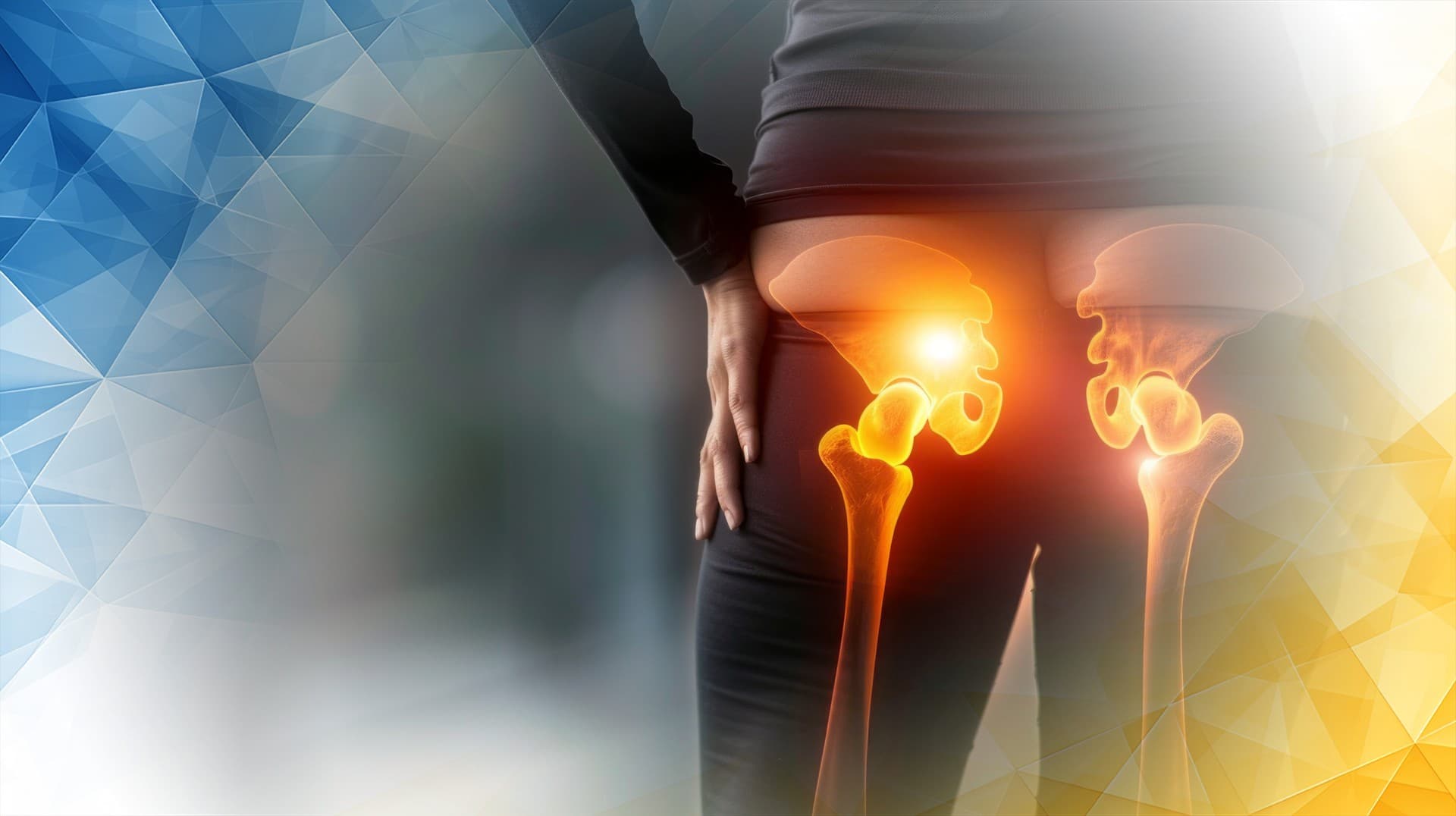
To understand iliopsoas bursitis , let's start with some basic hip anatomy . The iliopsoas muscle is a key player when you lift your leg or bend at the hip. The iliopsoas bursa , located between this muscle’s tendon and the pelvic bone, acts as a cushion to reduce friction during movements like walking or climbing stairs.
When this bursa becomes inflamed—either from repetitive movement , injury, or underlying conditions like arthritis—it swells and causes pain, usually felt deep in the groin or at the front of the hip. While iliopsoas bursitis isn’t as common as other causes of hip pain, it’s an important condition to consider, especially if discomfort is persistent and interfering with daily life. Because its symptoms can mimic those of other hip issues , recognizing its unique features is essential for proper treatment.
Rare cases, such as those caused by infection , further underline how easily this condition can be missed unless specifically considered during diagnosis.
How Inflammation Affects the Iliopsoas Bursa and Hip Function
At the core of iliopsoas bursitis is inflammation, the body’s natural response to irritation or injury. When the bursa lining is irritated, it releases chemical signals that draw immune cells to the area. This activity causes swelling, warmth , and the characteristic pain of bursitis.
The inflammation not only creates local swelling but also makes nearby nerves more sensitive, increasing pain with movement. If left untreated, ongoing inflammation can start to affect surrounding tissues like tendons and cartilage, further restricting movement and deepening discomfort. This is why people with iliopsoas bursitis often struggle to bend their hip or do simple activities like lifting their leg.
Understanding that inflammation drives the symptoms of iliopsoas bursitis helps clinicians shift from just masking pain to treating its underlying cause, leading to more effective and lasting relief.
The Challenges of Diagnosing Iliopsoas Bursitis
Diagnosing iliopsoas bursitis isn’t always straightforward. Its symptoms—such as deep groin or front-of-hip pain—can easily be mistaken for other hip problems like tendonitis, labral tears, or arthritis. Physical examination alone might not pinpoint the issue.
Imaging tests, such as ultrasound and MRI, are highly valuable in these cases. These scans can reveal bursa swelling and help rule out other causes of hip pain . MRI in particular has become a key tool for accurately diagnosing iliopsoas bursitis . Combining imaging with a careful clinical assessment greatly improves the odds of making the correct diagnosis and tailoring the best treatment plan for each patient.
Treating Iliopsoas Bursitis: Targeting Inflammation
Since inflammation is at the heart of iliopsoas bursitis , treatment focuses on calming that process. Doctors often start with non-steroidal anti-inflammatory drugs (NSAIDs) and recommend physiotherapy to relieve pain and restore movement.
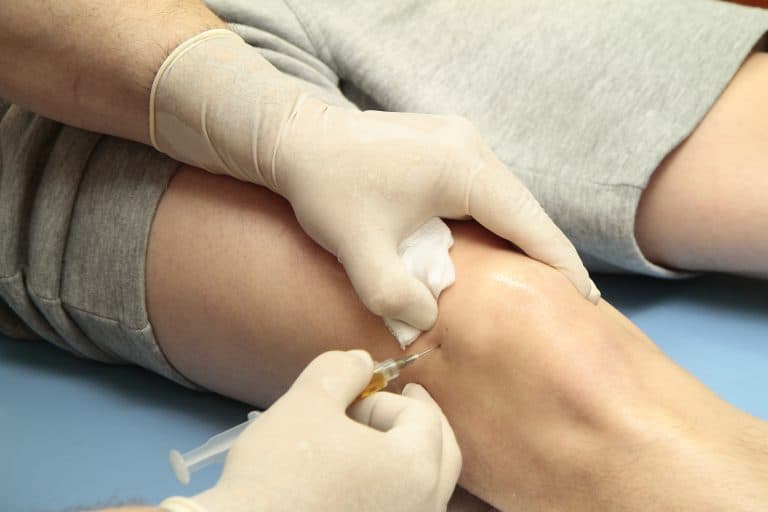
If simple measures don’t provide enough relief, corticosteroid injections —guided by ultrasound—can be used to reduce inflammation directly in the bursa. These injections can offer quick and significant relief, especially for stubborn cases.
In rare cases where infection is suspected, imaging-guided procedures allow doctors to drain the bursa and treat the infection effectively. As research advances, new therapies that target the immune response more specifically are being explored, holding promise for longer-lasting results. By focusing on controlling inflammation, treatment goes beyond symptom management to address the problem at its source.
Conclusion
Iliopsoas bursitis is an inflammatory condition that can cause significant hip pain and make movement difficult. Understanding the role of inflammation helps explain why it develops and how it affects the hip.
Getting the diagnosis right requires a combination of thorough clinical assessment and advanced imaging. Fortunately, anti-inflammatory medications, physiotherapy, and targeted injections often provide effective relief. For rare, infection -related cases, modern imaging techniques can guide precise treatment.
Recognizing the inflammatory roots of iliopsoas bursitis leads to more precise management and better outcomes. As new therapies emerge, focusing on the immune system’s role may further improve life for those dealing with this challenging cause of hip pain.
References
Kozlov, D. B., & Sonin, A. H. (1998). Iliopsoas bursitis: Diagnosis by MRI. Journal of Computer Assisted Tomography, 22(4), 625-628.
Manueddu, C., Hoogewoud, H. M., Balagué, F., & Waldeburger, M. (1991). Infective iliopsoas bursitis. International Orthopaedics, 15(2). https://doi.org/10.1007/bf00179712
Frequently Asked Questions
- London Cartilage Clinic is renowned for its comprehensive, patient-focused approach to hip pain conditions such as iliopsoas bursitis. Led by Prof Lee, the clinic utilises advanced diagnostic tools and evidence-based treatments, ensuring each patient receives care tailored to their specific needs and achieves optimal outcomes.
- Prof Lee is an internationally recognised specialist with extensive experience in diagnosing and managing hip pain. Patients benefit from his meticulous assessment, which combines clinical expertise and state-of-the-art imaging. Under Prof Lee’s care, you receive precise diagnosis and personalised treatment plans for conditions like iliopsoas bursitis.
- The clinic employs a combination of detailed clinical assessments and advanced imaging, such as ultrasound and MRI. This integrated approach helps distinguish iliopsoas bursitis from other hip conditions, ensuring patients receive the correct diagnosis and can proceed with the most appropriate treatment pathway for their symptoms.
- London Cartilage Clinic offers a full spectrum of personalised treatments for iliopsoas bursitis, including anti-inflammatory medications, physiotherapy, and precision-guided corticosteroid injections. These methods are designed to target inflammation, improve mobility, and provide effective relief, all delivered by a highly experienced team under Prof Lee’s guidance.
- Absolutely. Each patient at London Cartilage Clinic receives a bespoke evaluation and management plan based on their unique symptoms and requirements. Under Prof Lee’s expert supervision, the clinic prioritises patient wellbeing, ensuring all care is both evidence-based and tailored for the best possible results.
Legal & Medical Disclaimer
This article is written by an independent contributor and reflects their own views and experience, not necessarily those of London Cartilage Clinic. It is provided for general information and education only and does not constitute medical advice, diagnosis, or treatment.
Always seek personalised advice from a qualified healthcare professional before making decisions about your health. London Cartilage Clinic accepts no responsibility for errors, omissions, third-party content, or any loss, damage, or injury arising from reliance on this material.
If you believe this article contains inaccurate or infringing content, please contact us at [email protected].
London Cartilage Clinic
Modern treatments, designed for lasting knee outcomes
Every treatment plan is selected to help you return to the quality of life you deserve. Our team combines up-to-date techniques with consultant-led decision making across cartilage repair, regeneration and replacement.
What your journey can look like
Step 01
Consultant-Led Assessment
Symptoms, imaging and goals reviewed in one structured appointment.
Step 02
Personalised Treatment Plan
A clear route chosen from repair, regeneration or replacement options.
Step 03
Precision Delivery
Modern techniques and specialist equipment matched to your diagnosis.
Step 04
Long-Term Knee Health
Follow-up guidance focused on durable function and quality of life.
Will the Arthrosamid work for me
PAAG-8+ Questionnaire
A bright, structured entry point for patients exploring Arthrosamid. The questionnaire helps frame suitability, expectations, and 24-month clinical benefit discussion before a fuller consultant-led review.
Designed for shared decision-making. It does not replace specialist consultation, examination, imaging review, or formal medical advice.